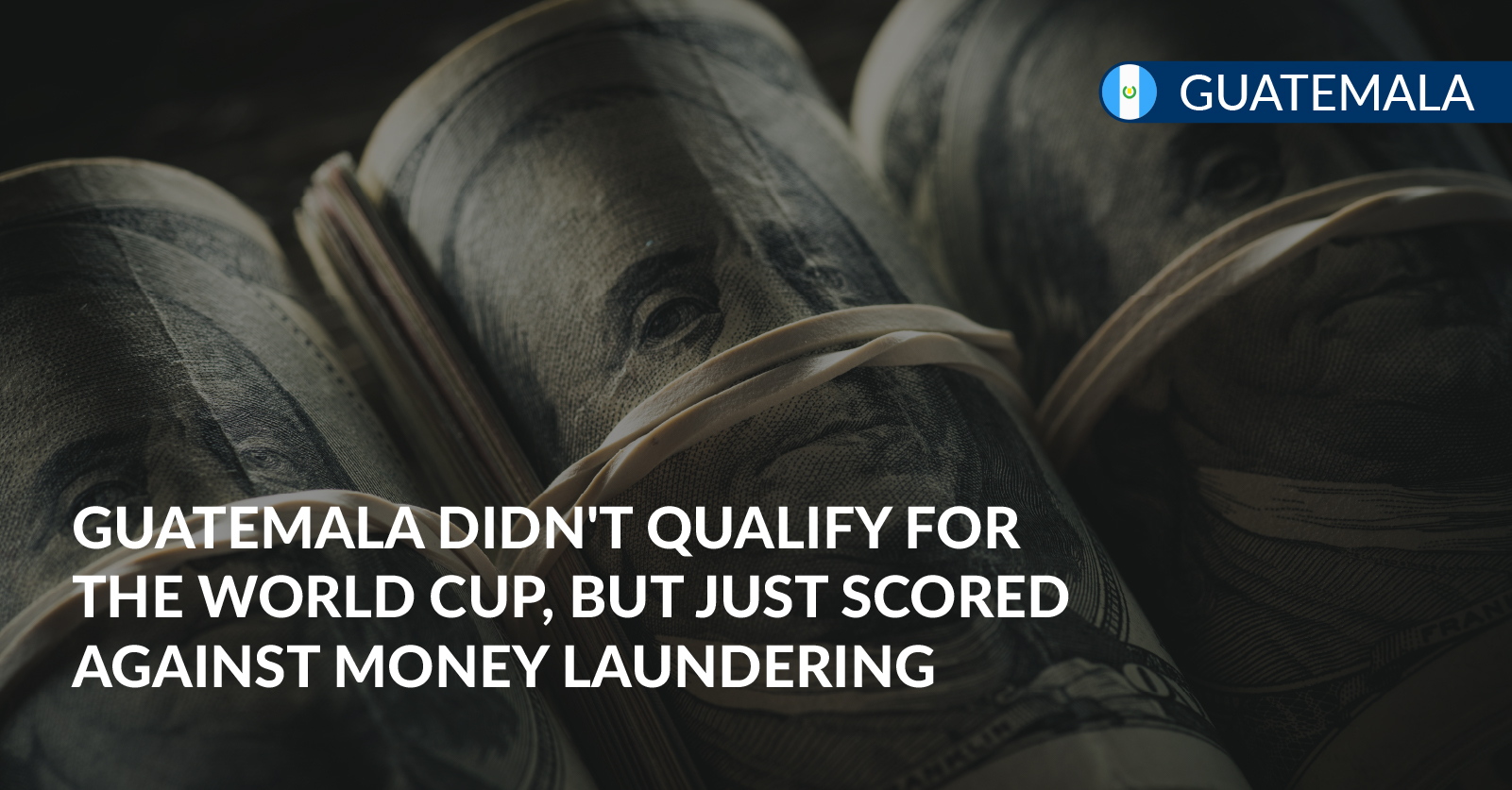
On June 2, 2026, Guatemala’s Congress approved the Comprehensive Anti-Money Laundering and Terrorism Financing Law, modernizing its legal framework in line with FATF standards. The law introduces stronger third-party due diligence controls, greater traceability of financial information, and a deeper reach into the public sector to reduce corruption risks.
The private sector welcomed the legislation with optimism, and for good reason. Given Guatemala’s strategic position as a transit corridor between South America and North America, its implications extend well beyond its borders. Companies with operations or counterparties in the region will need to strengthen their know-your-customer processes, transaction monitoring, and third-party management.
This approval is not an isolated event. Latin America is closing the regulatory gaps that criminal structures have historically exploited, and each new piece of legislation represents another step in that control architecture. The message to the business community is clear: standards are rising, and compliance programs must rise with them. Knowing your customer, mapping the third-party chain, and documenting transactions are no longer optional. Guatemala just confirmed it.