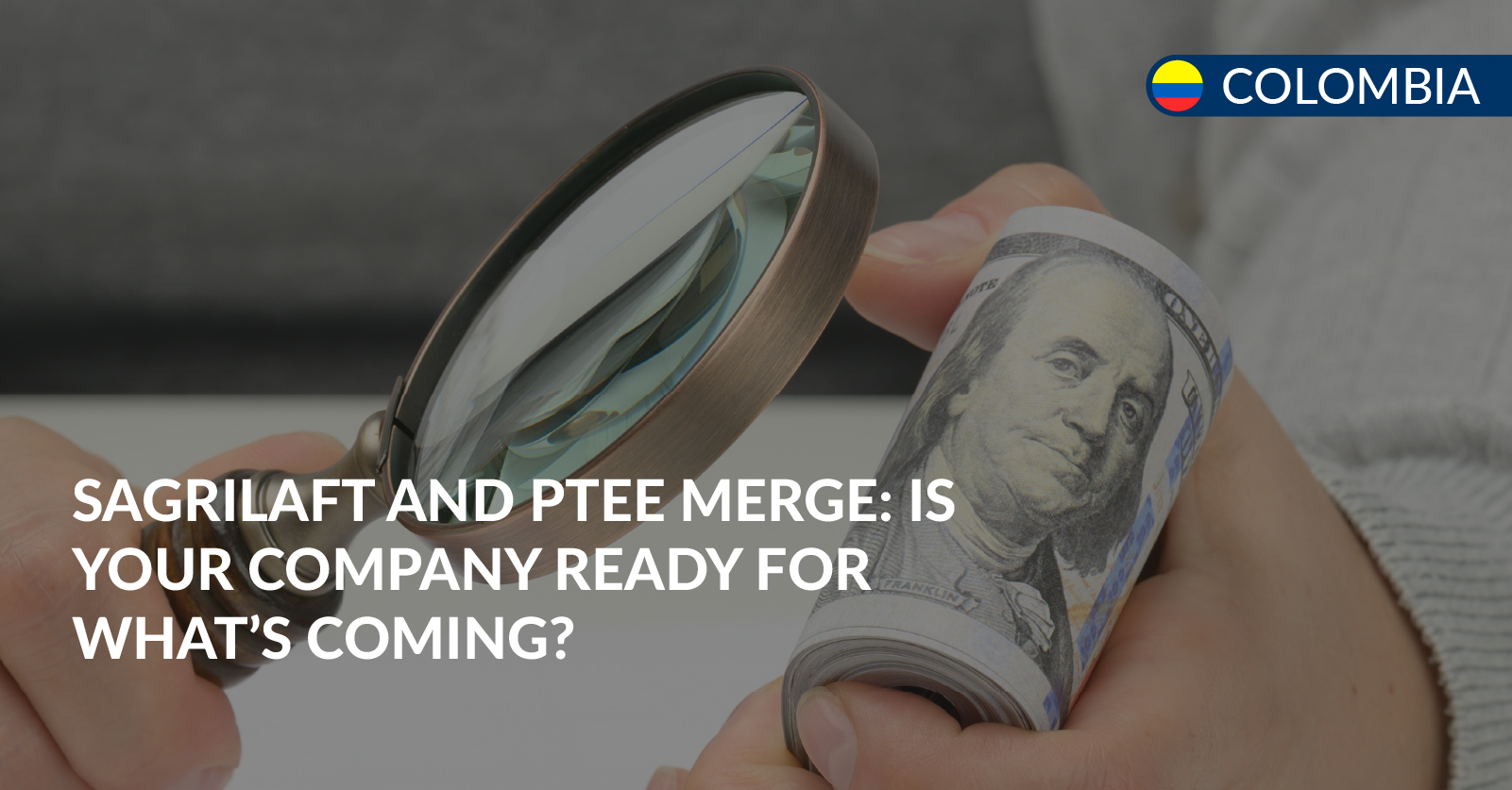
On March 27, 2026, the Superintendence of Companies of Colombia published the second version of the draft Basic Legal Circular, which merges Chapters X and XIII (currently referring to SAGRILAFT and PTEE) into a single chapter: Chapter IX. The result is a unified system called the Self-Control and Risk Management System for ML/TF/FPWMD and Local Corruption and Transnational Bribery, which combines the prevention of money laundering, terrorist financing, the proliferation of weapons of mass destruction, as well as local corruption and transnational bribery. Beyond a change in name, this integration has concrete implications for obligated companies. The key points are outlined below.
1. Positive aspects
The new circular is not merely a merger of two documents; it is an opportunity to modernize and strengthen compliance programs through:
A. A more robust scope regarding corruption: The concept of “local corruption” is introduced, directly linked to offenses under the Colombian Criminal Code, and for the first time companies are required to implement specific procedures addressing lobbying activities.
B. Risk-based approach and international standards: Integration adopts criteria aligned with global trends in compliance and corporate criminality, strengthening the technical soundness of the system and contributing to greater legal certainty.
2. Challenges
Not everything is simplification. The draft introduces elements and rules that raise practical questions regarding implementation.
A. Alternate Compliance Officer: The second draft maintains the obligation to appoint an alternate who can assume the functions of the Compliance Officer in cases of absence, resignation, or conflict of interest. To hold the position, both the primary and alternate must demonstrate at least one year of experience in ML/TF/FPWMD risk management, and their training may come from national or foreign educational institutions.
In practice, this represents a real burden for many companies, particularly those with limited financial resources or lean organizational structures.
B. Transition from SMLMV to UVB: The draft replaces the minimum wage as a reference unit with the Basic Value Unit (UVB). This change may determine whether a company meets the regulatory thresholds that define its level of obligations and supervision. Recalculating these thresholds under the new unit is an urgent task.
3. What should companies do now?
If your company already has SAGRILAFT and PTEE in place, the path forward is clear:
Recalculate thresholds under the new unit of measurement (UVB) to anticipate impacts and avoid non-compliance.
Conduct a diagnostic of the current state of both systems to identify gaps against the requirements of Chapter IX.
Plan the integration based on that diagnostic, articulating both systems into a single framework in accordance with the new chapter’s obligations.
The deadline to submit comments to the Superintendence of Companies expired on April 8, 2026. After that date, the authority will review the feedback and issue the final version of the Circular, which will mark the formal starting point for the integration process. Companies that begin preparing now will have a clear advantage once the regulation comes into force.